System Component and Hardware Series
🚒 Fire Department Connections- Part 2
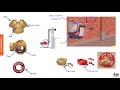
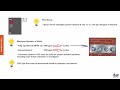
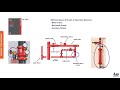
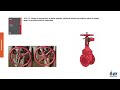
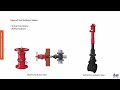
In the second part of our FDC series, we dive deeper into the practical, field‑focused requirements that designers, consultants, and inspectors deal with every day. These details play a major role in ensuring that FDCs function properly during fire department operations. 🔹 𝐓𝐨𝐩𝐢𝐜𝐬 𝐂𝐨𝐯𝐞𝐫𝐞𝐝: ✅ Number of FDCs required for different system configurations and building conditions ✅ Check valve placement and how NFPA 13 and NFPA 14 approach it ✅ FDC location requirements, including access, visibility, and proximity to fire department operations ✅ Clearance and obstruction rules to ensure proper hose connection and safe operation ✅ Signage requirements, including wording, placement, and system identification Our goal in this video is to present these requirements in a clear, practical, and directly applicable way, so fire protection professionals can confidently implement them in real projects. 𝐑𝐞𝐜𝐨𝐦𝐦𝐞𝐧𝐝𝐞𝐝 𝐏𝐫𝐞𝐫𝐞𝐪𝐮𝐢𝐬𝐢𝐭𝐞 𝐕𝐢𝐝𝐞𝐨𝐬: https://www.youtube.com/watch?v=P_cjyukyCFI #FireProtection #NFPA13 #NFPA14#SprinklerDesign#StandpipeSystem#FDC#FireSafety #EngineeringEducation#NSVCAD #RahilKiaghadi 00:00 Introduction & Part 2 Overview 00:46 NFPA 14: FDC Requirements for Standpipe Systems 01:36 Multiple FDCs for High-Rise & Large Buildings 02:25 Strategic Placement & Operational Flexibility 03:30 Sizing Inlets Based on System Demand (NFPA 14) 04:13 Sizing for Combined Sprinkler & Standpipe Systems 05:02 Large Diameter Quick-Connect (LDH) FDCs 06:12 Check Valve Installation & Accessibility 07:11 Proper Placement & Freeze Protection for Check Valves 08:15 Automatic Drip Valves & Prohibited Shutoff Valves 09:19 Hydrant Proximity: NFPA 14 vs. NFPA 13/13R 11:00 Installation Height & Mounting Standards 11:37 Clearance Requirements (IBC vs. NFPA) 12:34 Essential Signage & Pressure Requirements